.png)

Back To Blogs
December 17, 2025
Joe Averill
5 mins
ESG, Environmental, Social, and Governance, has moved from a niche concern to a boardroom priority. Office strategy is no longer just about location and rent. It is now part of a company’s public reputation, investor relations, and ability to attract and retain talent.
Investors increasingly demand transparency around carbon emissions, energy use, and social impact. Employees want to work in offices that reflect their values, especially younger generations who see sustainability as non-negotiable. Clients expect partners to meet high ESG standards, and falling short can impact credibility.
For business leaders in Manchester, ESG is more than a compliance exercise. It influences long-term costs, brand reputation, and the company’s ability to compete in both talent and capital markets.
Breaking ESG into its three elements helps executives evaluate what matters most when selecting office space.
The environmental pillar focuses on how office buildings impact the planet. The most common markers are green certifications such as BREEAM, EPC ratings, and WiredScore for digital efficiency. In practice, this covers energy efficiency, carbon emissions, waste management, and water use.
Buildings with strong environmental credentials often include renewable energy sources, intelligent heating and cooling systems, LED lighting, and sustainable construction materials. Some offices in Manchester now also feature rooftop gardens, bee hives, or cycle-friendly facilities as part of their environmental strategy.
The social pillar considers how office spaces support people. This ranges from wellness programmes and inclusivity in design to accessibility for disabled employees and visitors. Hybrid working has pushed wellness and community to the top of the agenda.
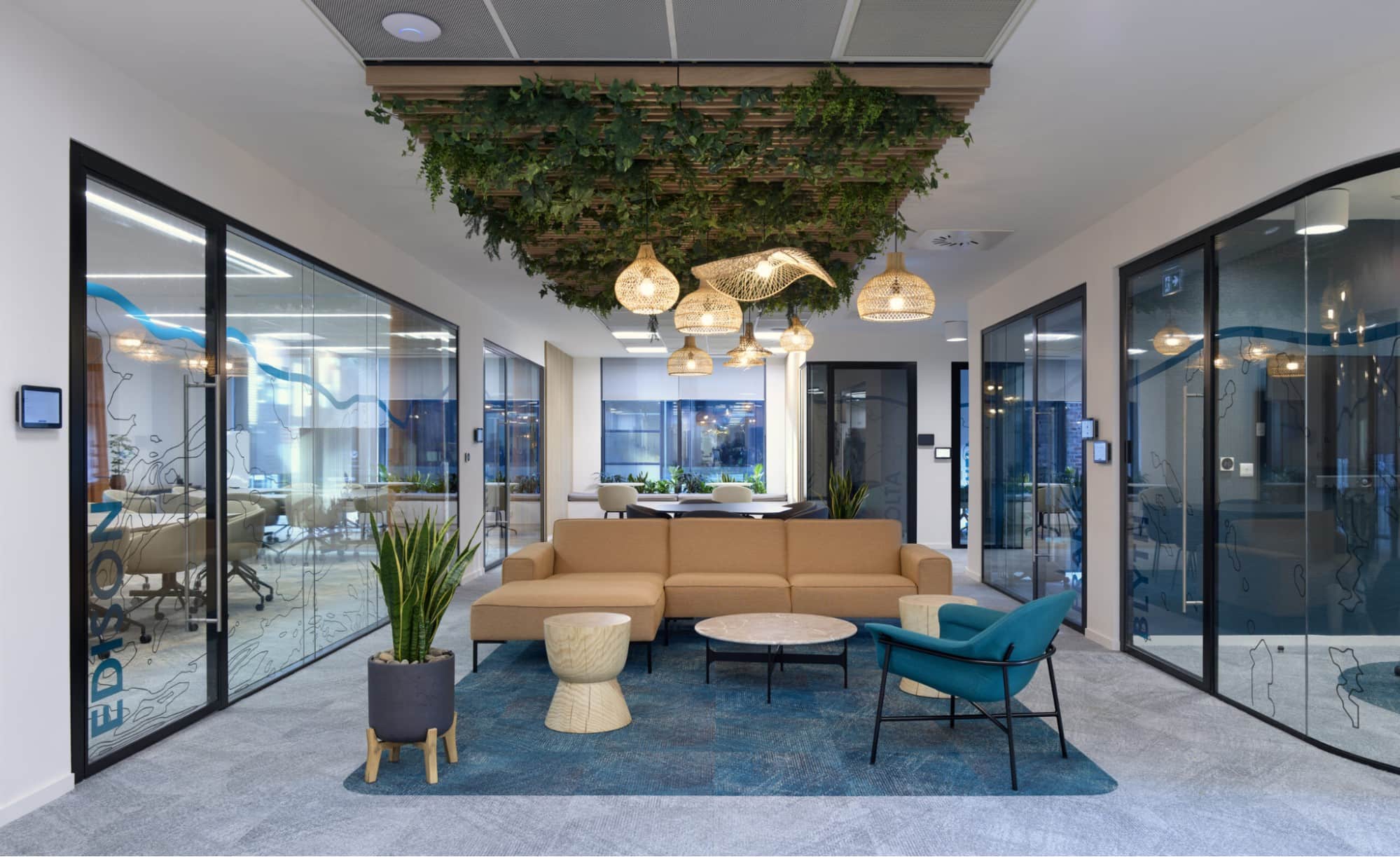
Modern sustainable offices now incorporate spaces for collaboration, wellness suites, prayer rooms, and event areas. These features create a culture where people feel valued and engaged, improving both morale and retention.
Governance addresses how landlords and operators manage their responsibilities. Transparent contracts, fair pricing structures, ethical supply chains, and compliance with regulations are all factors that come under governance.
For tenants, governance often shows up in reporting. Companies now need landlords who can provide accurate data on energy use, emissions, and building performance so they can meet investor and regulator expectations.
Manchester has become one of the UK’s leading cities for sustainable commercial property. With many businesses committing to net zero targets, the demand for eco-certified office space is growing rapidly.
Widely recognised as Manchester’s most sustainable office building, Windmill Green holds a BREEAM Outstanding rating and a WiredScore Platinum certification. It has been named the city’s most cycle-friendly building, with private bike hire facilities and a rooftop terrace that even houses beehives. For companies with strong environmental targets, this building is a clear choice.
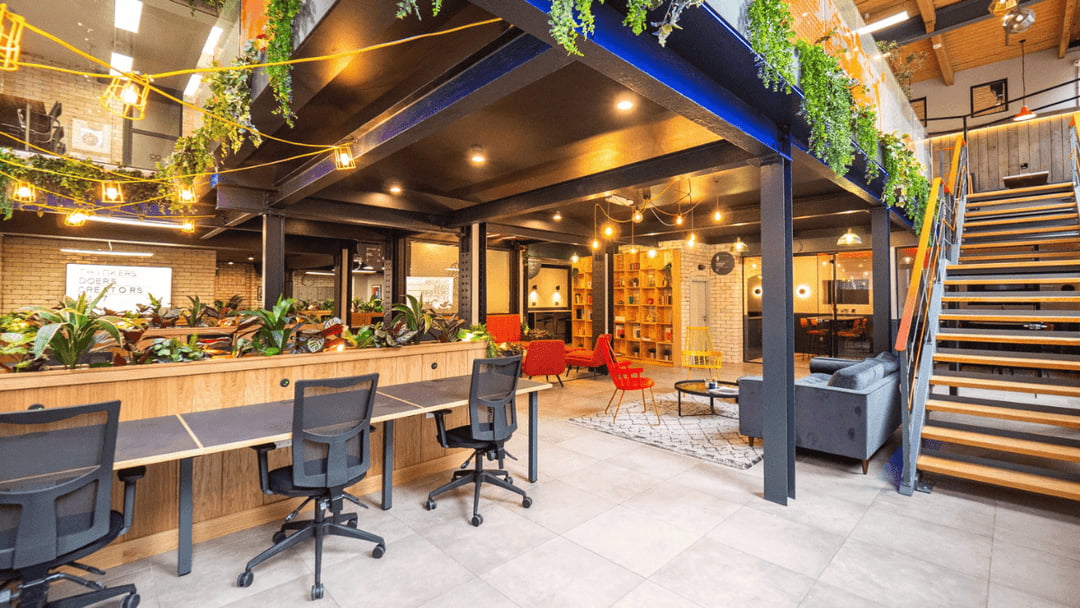
Bloc on Marble Street takes sustainability beyond energy efficiency. Technology monitors air quality, while the design includes a cascading garden in the foyer. The building also features a wellness suite, a sleep pod, and community spaces for cultural and social events. Bloc positions sustainability as part of a holistic wellbeing strategy.
In Spinningfields, the XYZ Building is another example of Manchester’s commitment to green offices. With energy-efficient systems and flexible workspaces, it attracts both startups and established firms seeking environmentally responsible offices in the city’s business district.
Developers are now competing on ESG standards. Certification has become a selling point, and buildings without strong credentials risk falling behind.
One of the most common questions CFOs ask is whether green buildings cost more. In some cases, rents for sustainable offices can be slightly higher due to the investment required in design and certification.
The long-term picture is different. Energy-efficient systems reduce utility bills, while durable materials lower maintenance costs. Many sustainable offices also attract higher occupancy rates and premium tenants, which can stabilise rent pricing.
There may also be incentives. Some government programmes encourage energy efficiency or green retrofitting, while certain investors are more likely to fund companies that demonstrate strong ESG compliance. For occupiers, this can translate into better financing terms or access to ESG-linked investment capital.
In short, while upfront costs may be higher, the return on investment from sustainable offices often outweighs the initial premium.
Each executive role approaches ESG from a different angle.
CFOs must weigh the higher rent of a sustainable building against long-term savings in energy, maintenance, and retention. They should also consider investor preferences for companies occupying ESG-compliant offices.
Operational leaders must ensure that the building runs efficiently and meets compliance requirements. Features such as smart sensors, digital reporting, and reliable facilities management simplify day-to-day operations.
Workplace wellbeing and inclusivity fall under the social pillar of ESG. Chiefs of People should look for features like wellness programmes, inclusive design, and flexible spaces that support hybrid work and different working styles.
For CEOs, the office is a visible reflection of strategy. Choosing an ESG-compliant office in Manchester strengthens employer brand, reassures investors, and aligns the business with long-term trends in sustainability.
A Manchester tech startup relocated to Windmill Green to align with its commitment to net zero. The move reduced their energy use by 40 percent and helped attract sustainability-focused investors.
A marketing agency chose Bloc, citing its air quality monitoring and wellness focus as key to improving employee retention. Staff surveys after the move showed a 15 percent increase in satisfaction with the workplace environment.
A professional services firm moved into the XYZ Building, enabling them to include ESG performance data in their annual reports. This transparency helped them secure contracts with clients that required evidence of sustainability in supplier selection.
The role of ESG in the office market is only going to grow.
Many companies have set net zero targets for 2030 or 2040. Meeting these commitments requires offices that minimise emissions and provide transparent reporting. This will push more businesses towards eco-certified spaces.
Technology will play a central role in energy efficiency. AI-powered systems will adjust heating, cooling, and lighting based on occupancy patterns, cutting costs while reducing emissions.
While environmental performance remains the priority, the social and governance pillars of ESG are gaining importance. Inclusivity, diversity, and ethical leasing will shape tenant expectations in the coming years.
· ESG has become a strategic factor in office selection, not just a facilities consideration.
· Manchester is leading the way in sustainable office development, with buildings like Windmill Green and Bloc setting new standards.
· While green offices can cost more upfront, the long-term savings and reputational benefits are significant.
· Executives across finance, operations, people, and leadership must evaluate offices through the ESG lens.
· Future trends in AI, net zero, and inclusivity will continue to reshape Manchester’s office market.
Choosing an office is no longer only about location or rent. For companies in Manchester, ESG credentials are now central to attracting talent, satisfying investors, and aligning with long-term growth strategies. Sustainable offices not only reduce environmental impact but also deliver measurable value across cost savings, employee wellbeing, and brand reputation.
Want to find your next leased, managed or serviced office space to rent? Book a call with our team today.