.jpg)

Back To Blogs
December 31, 2025
Joe Averill
5 mins
Workplace strategy has shifted dramatically in recent years. The office is no longer simply a location for employees to complete daily tasks. It has become a hub for culture, collaboration, and performance. At the centre of this transformation is wellbeing.
Companies across Manchester are realising that employee wellbeing is not a soft benefit but a measurable driver of productivity and retention. Offices that prioritise health, comfort, and inclusivity create environments where people want to be, and that translates into improved focus, creativity, and loyalty.
Hybrid work has reinforced this reality. With employees able to complete individual tasks from home, the office must offer something more: an environment that strengthens wellbeing and provides an experience worth commuting for.
Few factors influence wellbeing more than access to natural light and clean air. Studies consistently link natural daylight to improved mood, reduced fatigue, and better sleep quality. In contrast, poor air quality is associated with headaches, reduced concentration, and higher absenteeism.
Manchester’s newer office developments, such as Bloc, have prioritised these features. Air quality is monitored through integrated technology, and layouts are designed to maximise natural light. Older buildings can achieve similar benefits through thoughtful refurbishment, such as larger windows and upgraded ventilation.
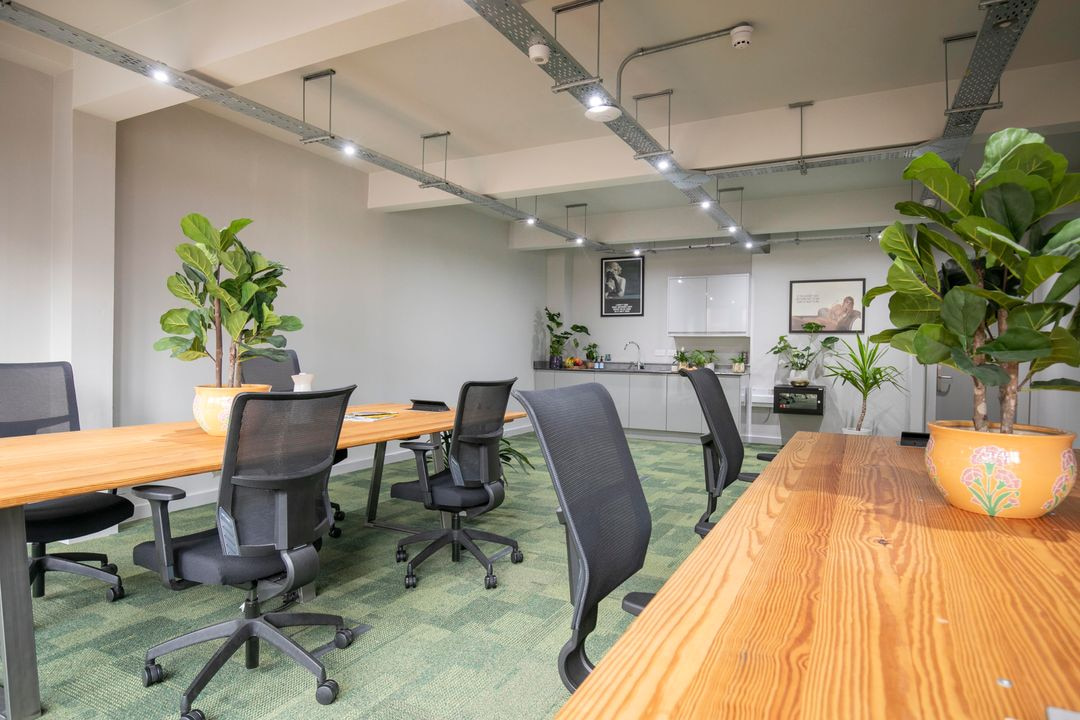
Productivity is closely tied to comfort. Ergonomic chairs, adjustable desks, and well-planned layouts reduce strain, improve posture, and minimise the risk of workplace injuries. An investment in ergonomic furniture is not cosmetic — it directly affects how effectively employees can work over long periods.
Modern offices increasingly include dedicated wellness spaces. These might be quiet rooms for reflection, meditation, or prayer. The presence of such spaces signals respect for diverse needs and creates opportunities for employees to recharge during the day. In high-pressure sectors, even short breaks in quiet, restorative spaces can reduce stress and maintain performance levels.
Workplace wellbeing extends beyond the desk. Offices that include on-site gyms, yoga studios, or partnerships with fitness providers promote healthier lifestyles. Support for active travel is also key. Secure bike storage, showers, and changing facilities make it easier for employees to commute sustainably while maintaining wellbeing.
Buildings like Windmill Green have gained recognition for their cycle-friendly facilities, even earning Manchester’s most cycle-friendly designation. These features encourage healthy routines and reduce reliance on cars, supporting both employee health and sustainability goals.
What employees eat and drink throughout the day shapes energy levels and concentration. Offices that provide access to nutritious food options, healthy snacks, or hydration stations support better decision-making and performance. Some Manchester workspaces now include plant-based cafes or curated nutrition programmes to reinforce healthy habits.
Forward-thinking office providers are going beyond core features to create workplaces that actively enhance wellbeing.
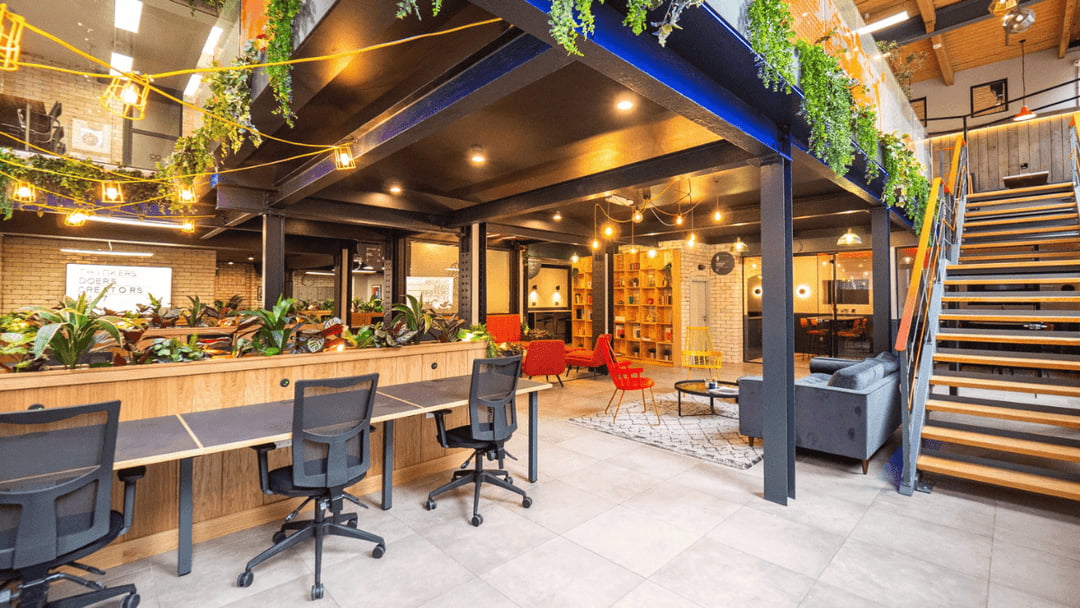
Biophilic design is one example. Incorporating plants, natural textures, and greenery reduces stress and improves cognitive function. Offices that bring nature indoors foster calm, focus, and creativity.
Rest spaces such as sleep pods are another emerging trend. Once considered extravagant, they are now embraced as tools for maintaining productivity during demanding schedules. A 20-minute nap can improve focus more than an extra coffee.
Community and social programming also support wellbeing. Events, workshops, and informal gatherings build connection and belonging, reducing isolation and disengagement. In hybrid workplaces, these activities help reinforce company culture.
Technology is increasingly part of the picture. Some offices use sensors to track air quality, light levels, and occupancy, while others offer apps that allow employees to book wellness sessions or monitor environmental conditions. Data-driven wellbeing strategies make it easier to demonstrate return on investment.
Wellbeing initiatives are not about creating perks. They deliver measurable outcomes that can be tracked in terms of productivity, retention, and financial performance.
Studies link better air quality to higher cognitive function, natural light to improved sleep and reduced absenteeism, and wellness programmes to lower staff turnover. These outcomes are especially valuable in competitive sectors such as technology, finance, and creative industries.
Manchester provides clear examples. Bloc’s focus on air quality and wellness features has made it one of the city’s most attractive spaces for companies prioritising employee performance. Windmill Green’s emphasis on sustainability and cycle-friendly design appeals to organisations that want to combine wellbeing with environmental responsibility.
The business case is clear. Offices that support wellbeing reduce absenteeism, improve employee satisfaction, and strengthen company culture. These outcomes translate directly into improved productivity and reduced recruitment costs.
For leadership, the challenge is determining which wellbeing features provide the strongest return on investment.
Some improvements, such as ergonomic furniture or upgraded ventilation, are relatively straightforward and cost-effective. Others, such as large-scale fit-outs for wellness suites, require greater investment.
The key is to focus on features that deliver measurable benefits without overextending budgets. A well-ventilated office with natural light and ergonomic furniture may outperform a poorly designed space with expensive but underused amenities.
Flexible and managed offices simplify this process. Many already include wellness features as part of their offering, from roof terraces and community events to bike storage and fitness partnerships. Instead of funding these upgrades directly, companies can access them through inclusive monthly contracts.
Workplace wellbeing is not a passing trend. It is becoming a fundamental part of office design and strategy.
Hybrid working is shaping demand for offices that provide an experience worth commuting for. Employees want spaces that offer collaboration, culture, and comfort. Offices that fail to provide this risk remaining underused.
ESG commitments are also influencing wellbeing strategies. Companies are expected to demonstrate how their offices contribute not only to environmental performance but also to social responsibility. Inclusive design, wellness spaces, and accessibility are part of this shift.
Looking ahead, offices are set to evolve from functional workplaces into destinations. Companies will use wellbeing as a differentiator in recruitment, brand building, and investor relations. Offices will not be where employees are required to be but where they choose to be because of the value those spaces deliver.
· Office wellbeing is directly linked to productivity, retention, and financial performance.
· Core features such as natural light, air quality, and ergonomics create measurable benefits.
· Next-level features like biophilic design, rest spaces, and wellness programming provide further gains.
· Flexible and managed offices simplify wellbeing provision by bundling amenities into all-inclusive contracts.
· The future of office design will be driven by wellbeing, making it a strategic priority for any leadership team.
In Manchester, the demand for wellbeing-focused offices is accelerating. Forward-thinking companies are moving beyond traditional office design to create spaces that actively improve health, focus, and engagement. The message is clear: investing in wellbeing is not about perks, it is about performance. Offices that prioritise wellbeing today will be the ones attracting talent, sustaining productivity, and driving growth in the years ahead.
Want to find your next leased, managed or serviced office space to rent? Book a call with our team today.